Near Health
Conversational AI for better healthcare navigation
I defined how the assistant should guide, clarify, and recover, then shipped the MVP.
- 30+Consolidated workflows
- 4Reusable patterns
- 1MVP shipped
Navigating healthcare information is difficult
Healthcare information is fragmented across portals, insurers, providers, pharmacies, and plan documents. Patients often know what they need help with, but not where to find it or which healthcare terminology to use.
NearHealth envisioned an AI assistant that could become a central starting point for these needs.
How might we make healthcare navigation feel conversational while preserving the clarity, control, and reliability patients need?
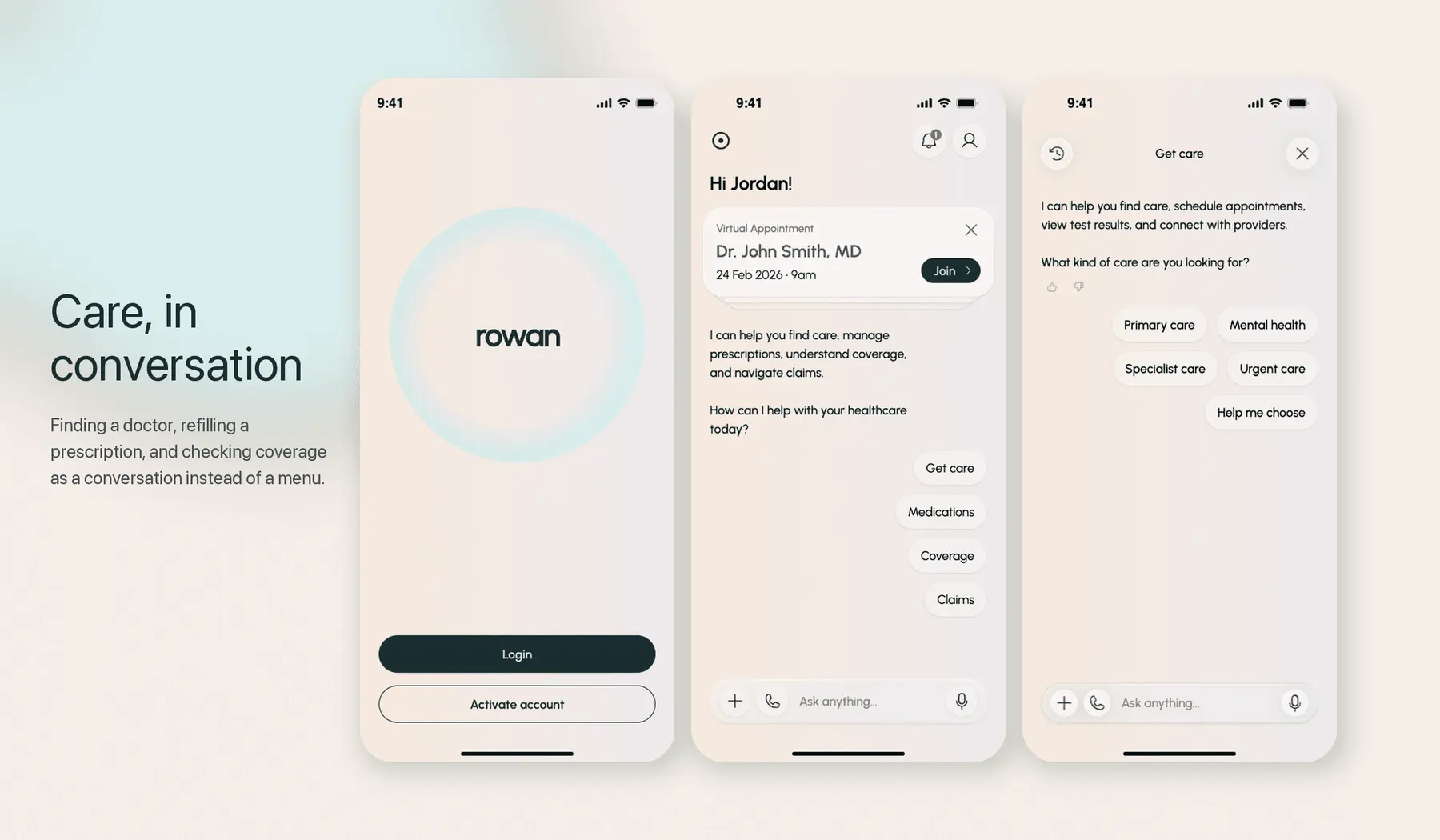
What I did
Framed the assistant’s conversation model, mapped care-navigation journeys and designed core flows. 30+ audited workflows, prioritized user stories, high-fidelity designs, conversational AI patterns, interactive prototype, reusable components, engineering guidance, and MVP recommendations.
Strategizing the MVP
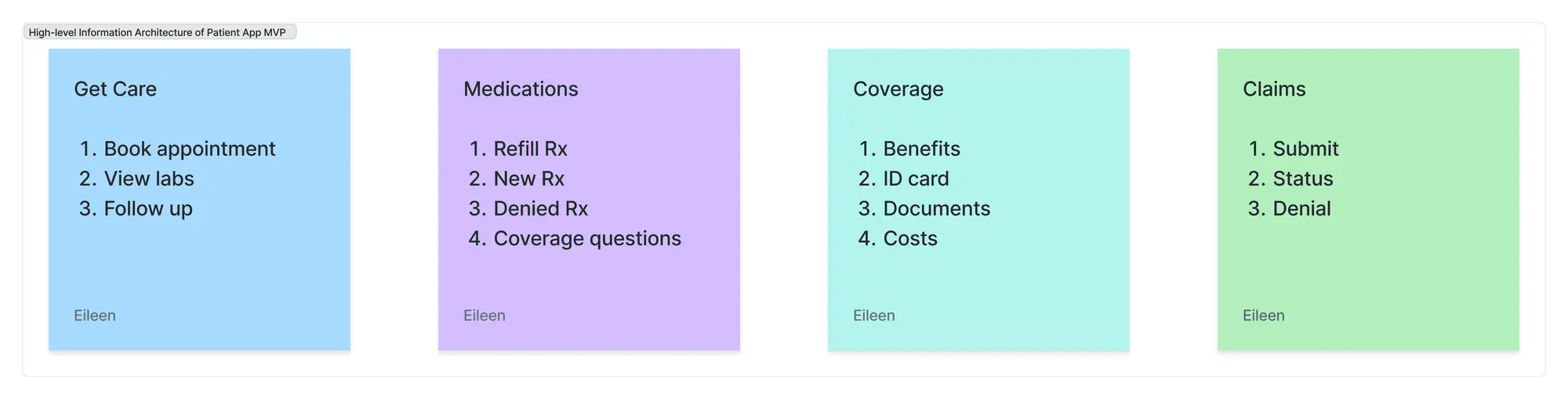
30+ workflows consolidated into 4 core actions and repeatable conversational AI frameworks.
I consolidated 30+ proposed workflows across several healthcare domains, removing outdated and duplicate flows, and reorganized the experience around patient intent, reusable behaviors, and priority MVP journeys.
I inherited:
- Mid-fidelity screens and partial flows created at different stages of the product
- An assistant-first vision without fully defined clarification, fallback, escalation, and status behavior
- A broad product scope that needed to be organized into prioritized patient journeys and an achievable MVP
Working closely with the stakeholders, I refined the MVP feature list given their timeline and scope.
This work established repeatable interaction models:
Patient intent → clarification when needed → relevant information or action → structured result → follow-up or fallback
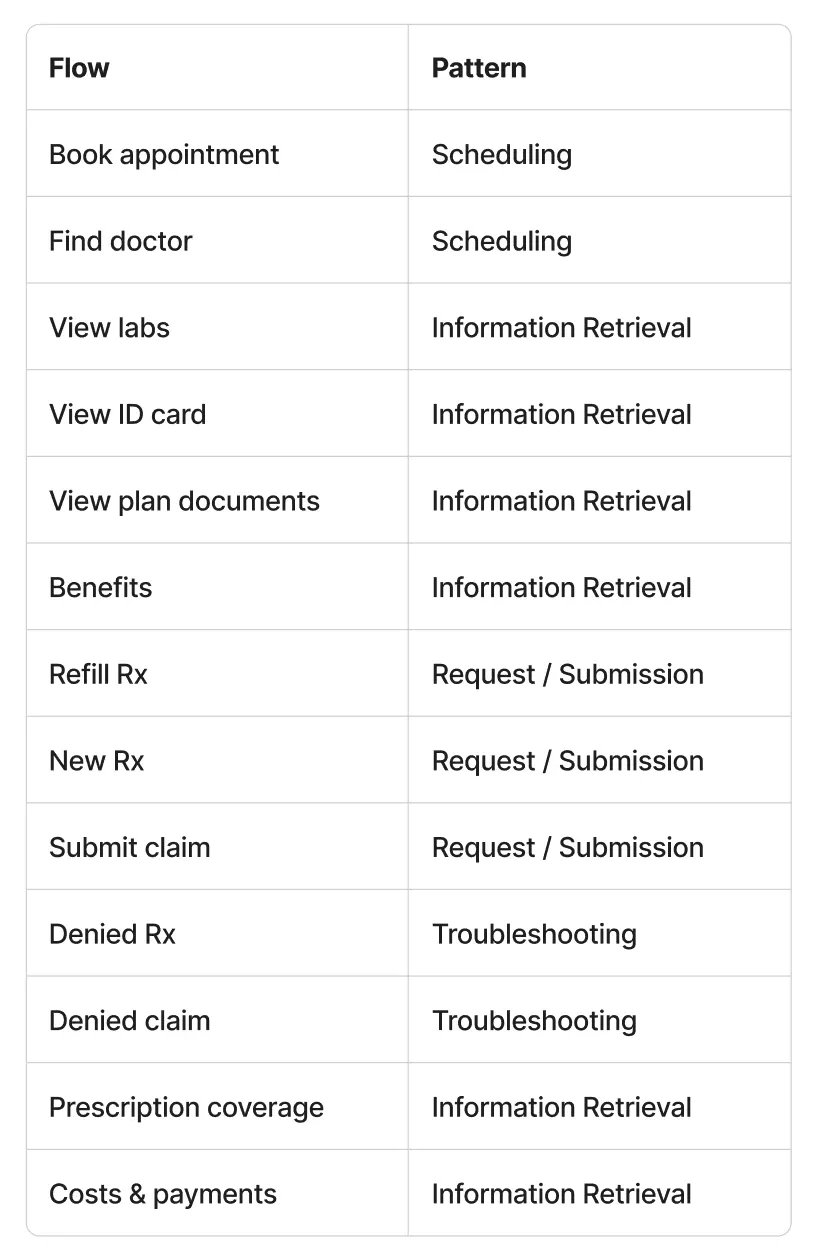
Continuing to apply my pattern thinking so that engineering would have replicable models for each flow, I defined models that each feature could be categorized into:
Scheduling, Information Retrieval, Request/Submission, and Troubleshooting.
Designing the system behind the assistant
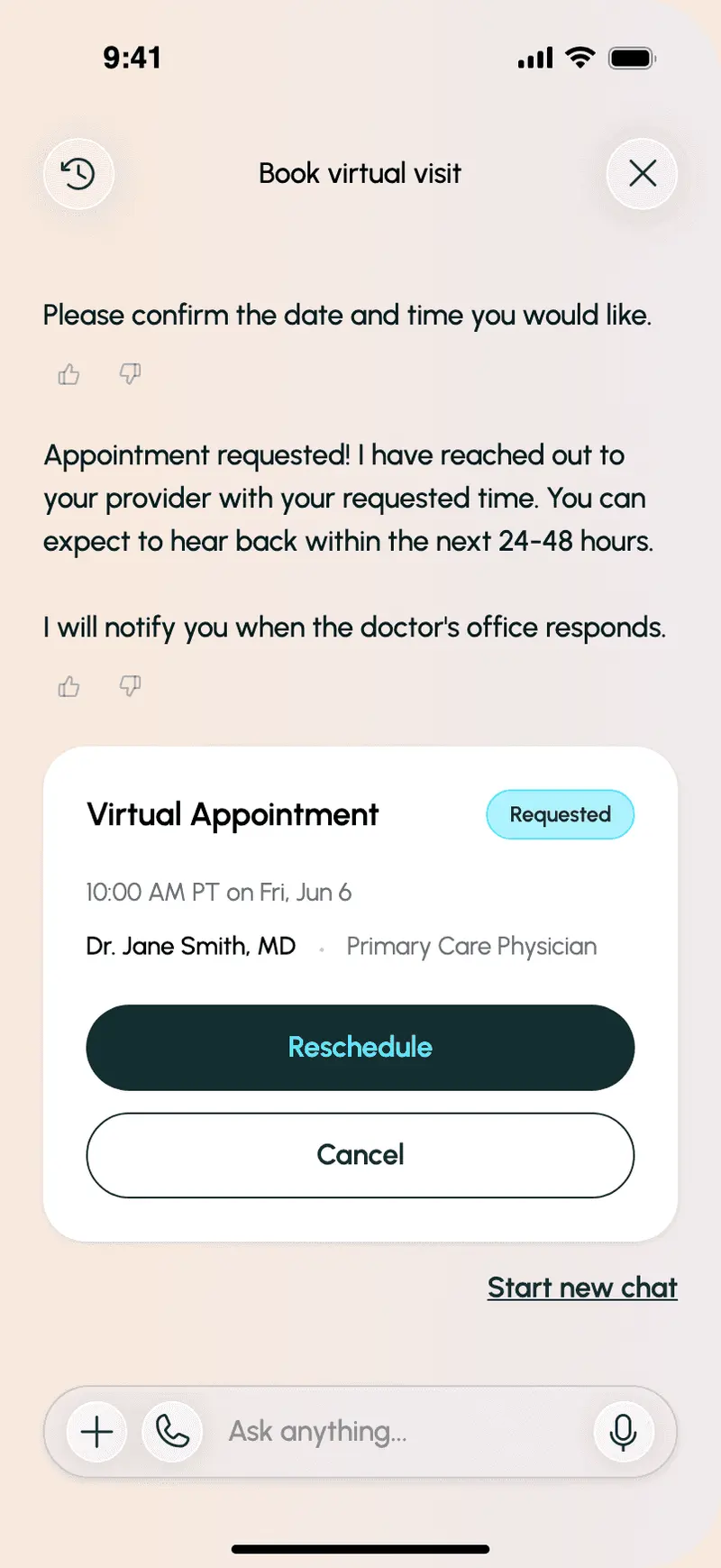
Conversation for guidance
The assistant helps patients express their needs, understand unfamiliar information, and reach the right part of the product.
Structured UI for action
Cards, details, and status views make healthcare information easier to compare, verify, and act on.
Consistent behavior
Shared patterns define how the assistant clarifies requests, communicates missing information, shows progress, confirms actions, and recovers when it cannot help.
Connected product experience
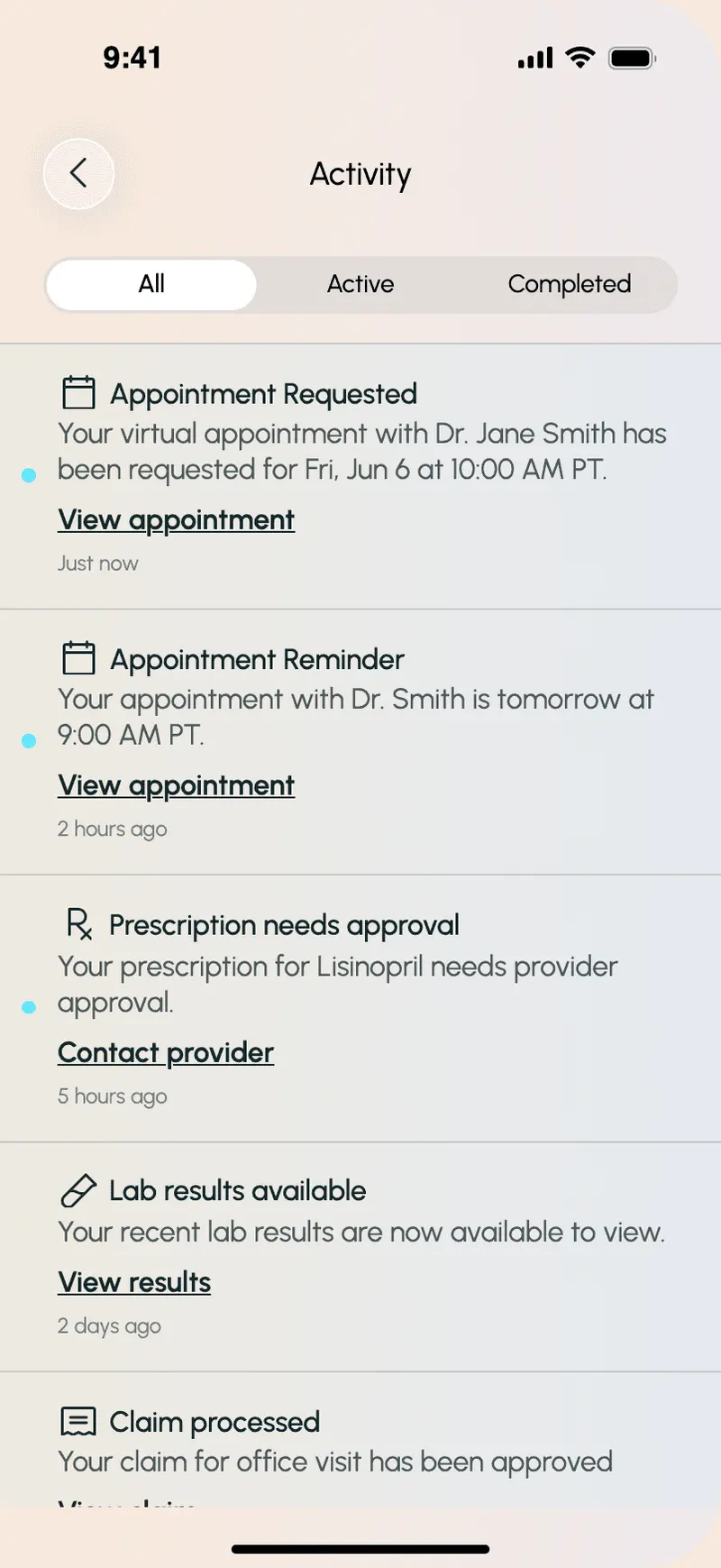
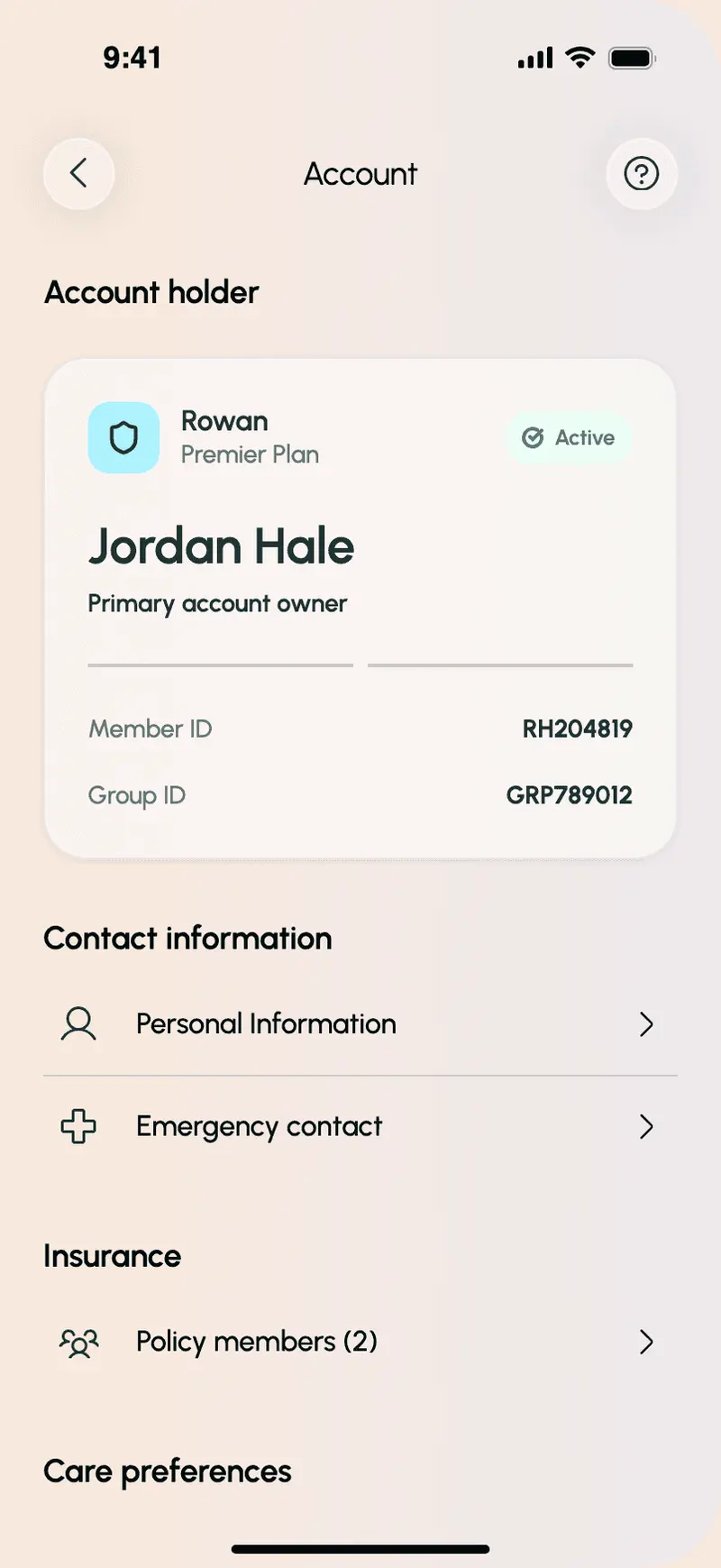
The same model extends across care, medications, coverage, claims, insurance information, pharmacy details, notifications, and settings.
From concept to implementation
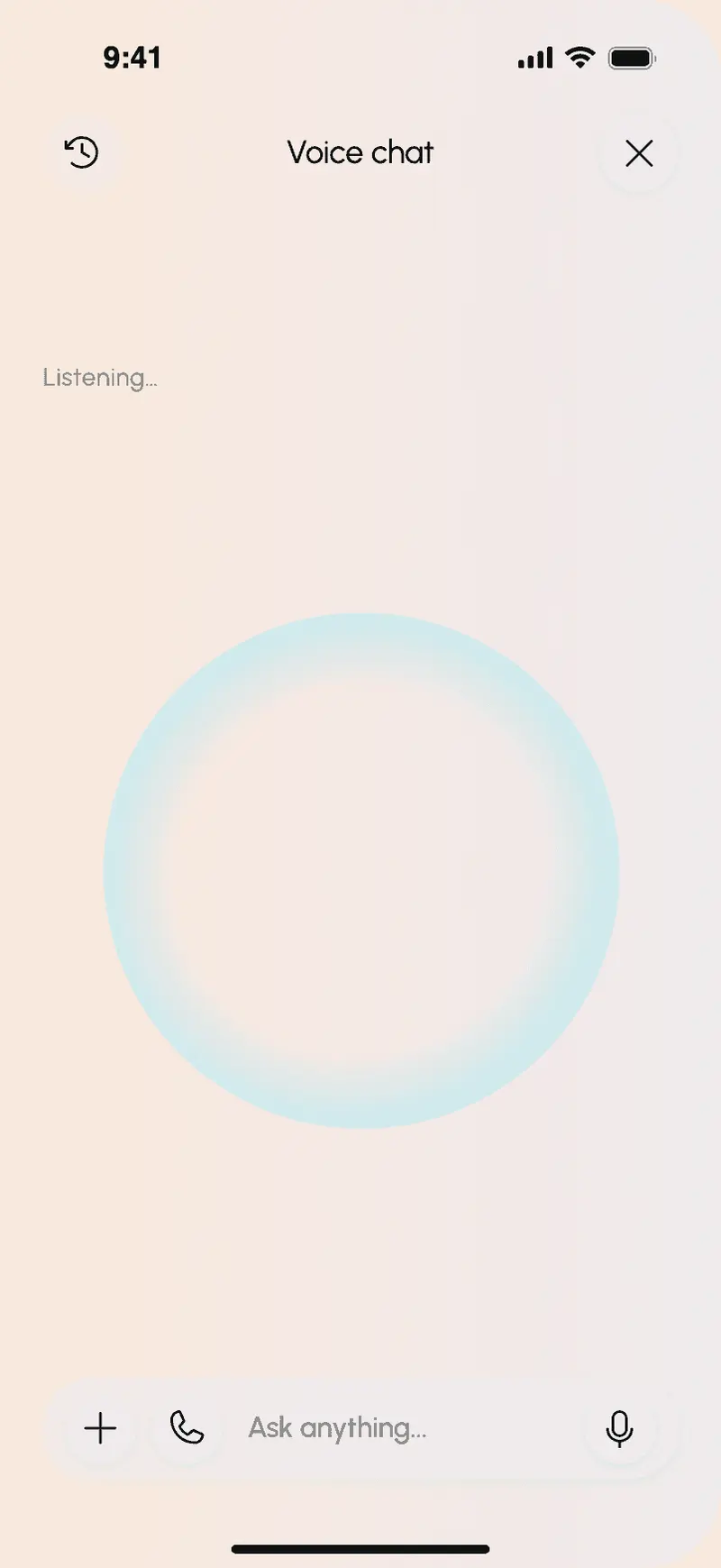
An interactive Figma Make prototype demonstrated how conversation, structured results, voice, and manual navigation worked together. User stories, edge cases, MVP recommendations, and engineering guidance documented how the experience should behave.
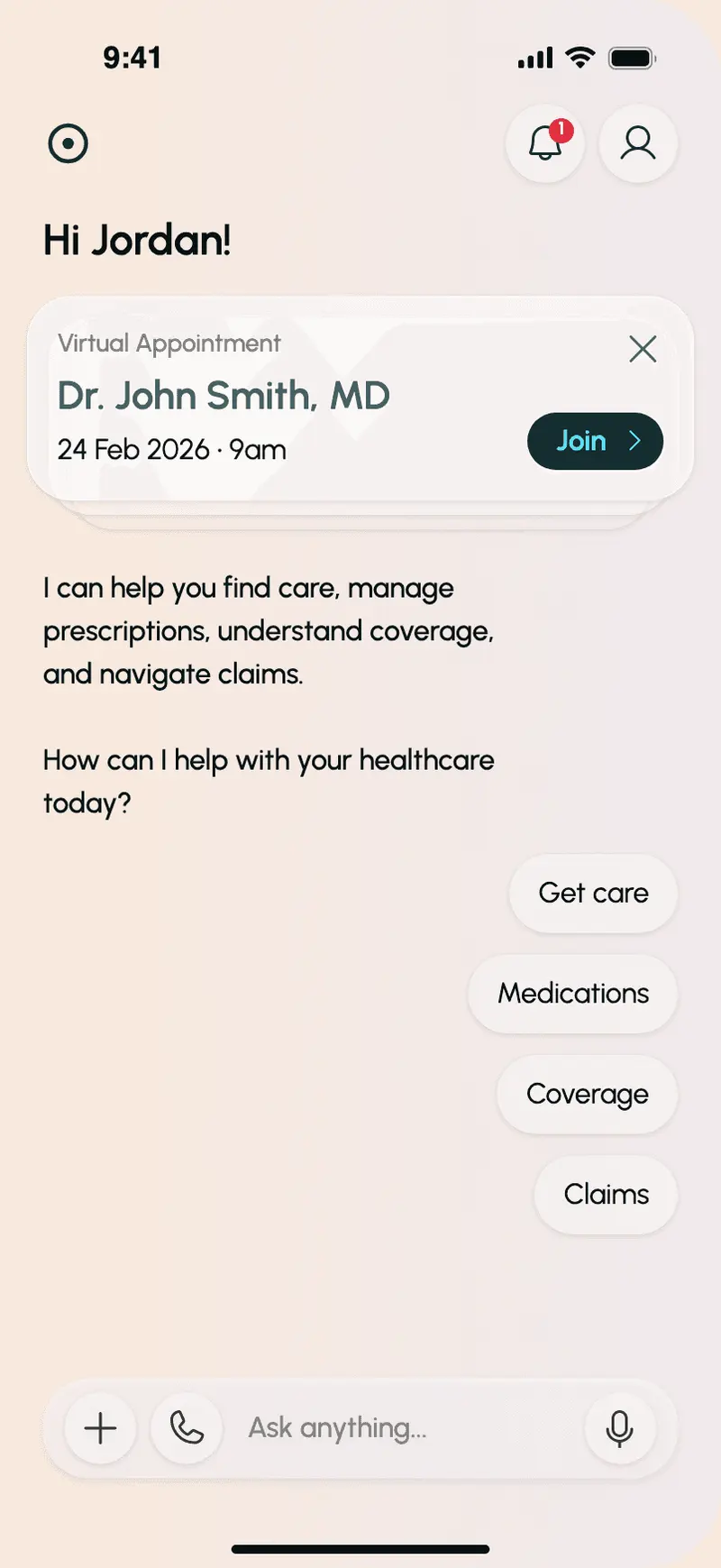
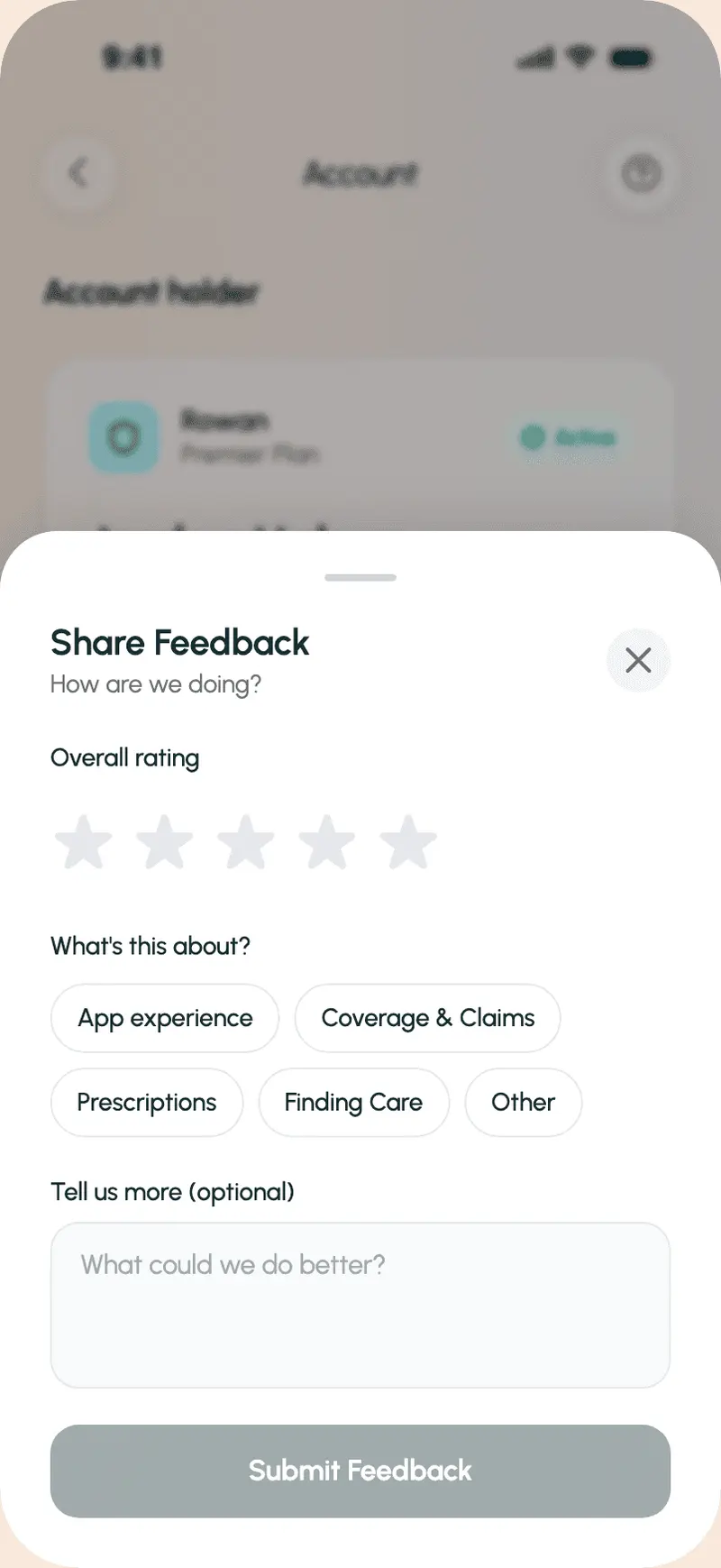
Please reach out directly to see delivered assets
Outcome
I transformed a broad product vision into a clear, human-centered foundation for helping people navigate care with greater confidence.
By the end of the engagement, NearHealth had a cohesive experience framework spanning multiple healthcare needs.
I translated the initial AI vision into prioritized patient journeys, defined how conversation and structured interfaces should work together, and created reusable patterns for system behavior and recovery.
An interactive prototype, MVP recommendations, and implementation guidance gave the team a clear foundation for continued development.
What I learned
This project reinforced that conversational AI cannot be handed off as a series of chat screens.
The quality of the experience depends on shared definitions for system behavior, confidence, data availability, recovery, and ownership of unresolved product decisions.
My role was not simply to visualize an AI assistant. It was to define how the product should respond, guide, clarify, recover, and earn trust across complex healthcare tasks.